

Largemouth Bass
Micropterus nigricans
What it is
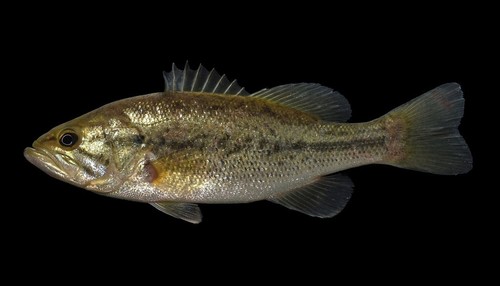
The largemouth bass (Micropterus nigricans) is a carnivorous freshwater ray-finned fish in the Centrarchidae (sunfish) family, native to the eastern and central United States, southeastern Canada and northern Mexico. It is known by a variety of regional names, such as the widemouth bass, bigmouth bass, black bass, bucketmouth, largie, Potter's fish, Florida bass, Florida largemouth, green bass, bucketmouth bass, green trout, Gilsdorf bass, Oswego bass, LMB, and southern largemouth and northern largemouth.
Where and when to find it
- Habitat
- Found throughout the eastern and central United States, in lakes, ponds, rivers, and reservoirs.
- How to find it
- Look for them in freshwater bodies, especially near submerged plants, fallen logs, or rocky areas. They are a popular fish for anglers.
- Best time of day
- Morning and evening, especially during warmer months.
How it lives
- What it eats
- Smaller fish, frogs, crayfish, insects, and even small birds or mice.
- What eats it
- Larger fish, birds of prey like ospreys, and humans.
Worth knowing
- The male bass guards the nest and protects the eggs and young fish.
- They are one of the most popular game fish in North America.
- Their color can change to help them blend in with their surroundings.
- Their dark stripe helps them hide in the water.
- Some bass can live for over 10 years.
- They are very territorial and will chase away other fish.
Why it matters
Largemouth bass are important predators in freshwater ecosystems. They help control populations of smaller fish and insects, but can sometimes outcompete native fish.