

Gulf Coast Toad
Incilius nebulifer
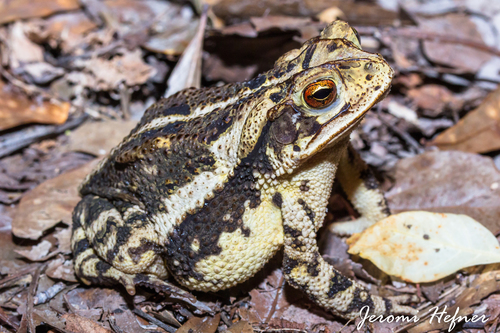
What it is
Incilius nebulifer, also known as the coastal plains toad or Gulf coast toad, is a species of toad in the family Bufonidae. It is found on the coast of Gulf of Mexico from Veracruz in Mexico to Mississippi in the United States. It was removed from the synonymy of Incilius valliceps in 2000. It occurs in a wide range of habitats, both natural and human-altered: coastal prairies, barrier beaches, towns, etc. Breeding takes place in various...
Where and when to find it
- Habitat
- You'll find them in coastal plains, grasslands, and even suburban yards in Texas, Louisiana, and other Gulf Coast states of the US.
- How to find it
- Listen for their long, low trill after a rain shower, especially at night. Look under porch lights or wet leaves where insects gather.
- Best time of day
- Night, especially after rain, during warmer months.
How it lives
- What it eats
- Insects like beetles, ants, crickets, and spiders.
- What eats it
- Snakes, raccoons, opossums, birds of prey.
Worth knowing
- They have glands behind their eyes that release a milky substance that can taste bad to predators.
- Their call sounds like a long, drawn-out vibrating hum.
- These toads spend a lot of time buried underground to stay cool and moist.
- Females are usually larger than males.
- They are attracted to artificial lights because of the insects that gather there.
- They breed in temporary pools of water, like roadside ditches.
Why it matters
Gulf Coast Toads help control insect populations by eating many bugs. They are also a food source for snakes and some birds.