

Western Fence Lizard
Sceloporus occidentalis
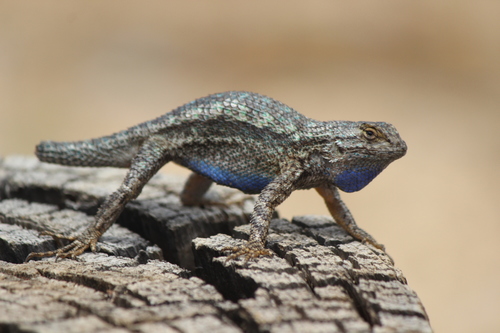
What it is
The western fence lizard (Sceloporus occidentalis) is a common lizard of Arizona, California, Idaho, Nevada, Oregon, Utah, Washington, Northern Mexico, and the surrounding area. As the ventral abdomen of an adult is characteristically blue, it is also known as the blue-belly.
Where and when to find it
- Habitat
- You can find them in the western United States, from Washington to Baja California. They like sunny spots, often near rocks, fences, and logs.
- How to find it
- Look for them basking in sunny spots on rocks, fences, or tree trunks. They're quick, so move slowly and quietly. You might see them doing push-ups!
- Best time of day
- Sunny days, especially in the morning after it warms up or late afternoon. Active from spring to fall.
How it lives
- What it eats
- Insects like crickets, beetles, flies, ants, and spiders.
- What eats it
- Snakes, birds of prey (like hawks), some larger lizards, and mammals.
Worth knowing
- Their bright blue throat and belly patches are usually only visible on males.
- They can change their skin color a little to help them blend in with their surroundings.
- Some studies suggest their blood can kill the bacteria that cause Lyme disease in ticks.
- When they feel threatened, they might run quickly or even bite, though their bite is harmless to humans.
- They are part of the 'spiny lizard' family, which is why their scales feel rough.
- Baby fence lizards are often much darker than the adults.
Why it matters
Western Fence Lizards help control insect populations by eating many bugs. They also provide food for birds and snakes.